Vortex Flowmeter: An Overview
Introduction:
The vortex flowmeter is a widely used instrument in the field of flow measurement. It utilizes the principle of vortex shedding, which occurs when a fluid passes by an object. This article aims to provide an overview of the vortex flowmeter, including its working principle, advantages, limitations, and applications.
Working Principle:
The vortex flowmeter operates based on the principle of the von Kármán effect. When a fluid flows past an obstruction, a series of vortices are shed at the downstream side of the obstruction. The frequency at which these vortices are shed is proportional to the flow rate of the fluid. The vortex flowmeter measures this frequency to determine the flow rate.
Components:
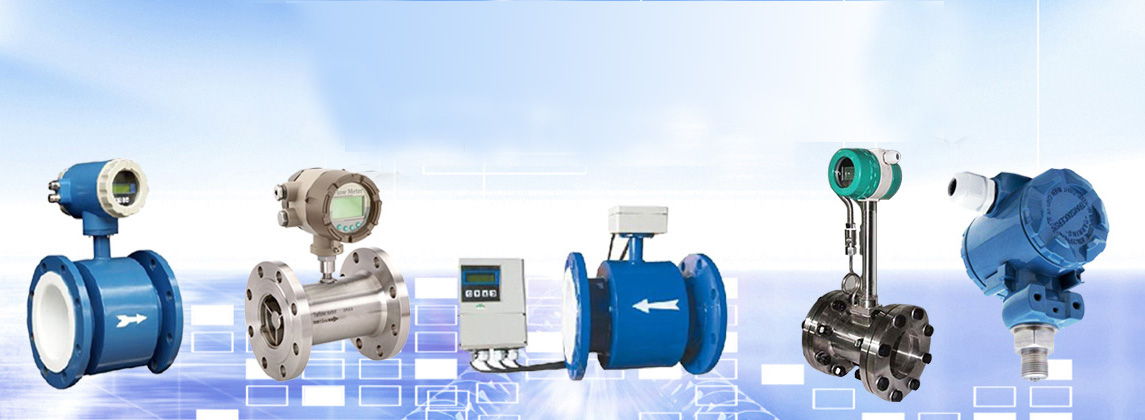
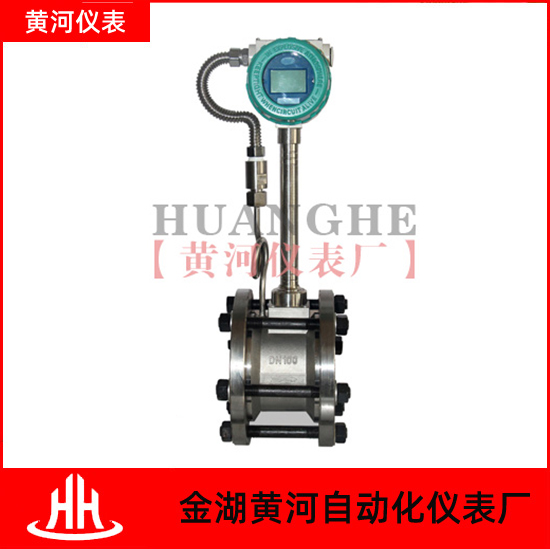
A typical vortex flowmeter consists of a bluff body, a sensor, a signal converter, and a display. The bluff body is the obstruction inserted in the flow path, which creates the vortices. The sensor, which is usually a piezoelectric crystal, detects the vortices. The signal converter processes the sensor's output, converting it into a flow rate signal. Finally, the display shows the measured flow rate.
Advantages:
1. Wide rangeability: Vortex flowmeters can measure flow rates across a wide range, making them suitable for various applications.
2. Low pressure drop: Unlike some other types of flowmeters, vortex flowmeters have a low pressure drop, causing minimal interference with the fluid flow.
3. High accuracy: With advancements in sensor technology, vortex flowmeters can provide accurate and reliable flow rate measurements.
4. No moving parts: Vortex flowmeters have no moving parts, reducing the need for frequent maintenance and minimizing the risk of mechanical failure.
Limitations:
1. Limited for certain fluids: Vortex flowmeters may not be suitable for certain fluids, such as those with low viscosities or those prone to rapid temperature changes.
2. Susceptible to vibration and noise: External factors like vibration and noise can interfere with the accuracy of the vortex flowmeter's measurements.
3. Pressure limitations: Vortex flowmeters have limitations when it comes to high-pressure applications, and special considerations are required to ensure accurate measurements.
Applications:
Vortex flowmeters find applications in various industries, including:
1. Water and wastewater treatment: Vortex flowmeters are commonly used to measure flow rates in water and wastewater treatment plants.
2. Petrochemical industry: They are used to measure flow rates of different fluids, such as crude oil, natural gas, and various petroleum products.
3. HVAC systems: Vortex flowmeters are employed to measure flow rates of air and other gases in heating, ventilation, and air conditioning systems.
4. Food and beverage industry: They are used for measuring flow rates of liquids and gases in different processes, such as bottling and packaging.
5. Pharmaceutical industry: Vortex flowmeters find applications in pharmaceutical manufacturing processes for accurate flow rate measurement.
Conclusion:
The vortex flowmeter is a versatile instrument with significant advantages in terms of its rangeability, low pressure drop, and accuracy. Despite its limitations, it has found widespread usage in various industries for flow rate measurement. With ongoing technological advancements, vortex flowmeters continue to evolve, meeting the demands of modern industrial applications.