Electromagnetic Flowmeter: Common English Codes
Introduction:
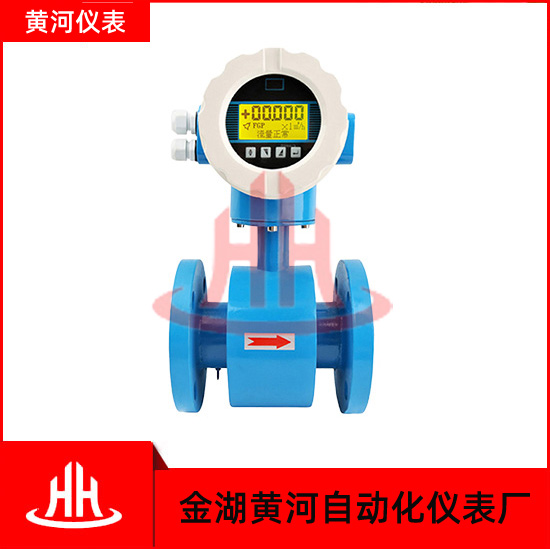
Electromagnetic flowmeters, also known as magmeters, are widely used in various industries for accurate measurement of liquid flow rates. They employ the principles of electromagnetic induction to determine the flow velocity of conductive fluids. In this article, we will explore the common English codes and programming practices associated with electromagnetic flowmeters.
1. Hardware Configuration:
Before delving into the English codes, it is essential to understand the typical hardware components of an electromagnetic flowmeter. These include:
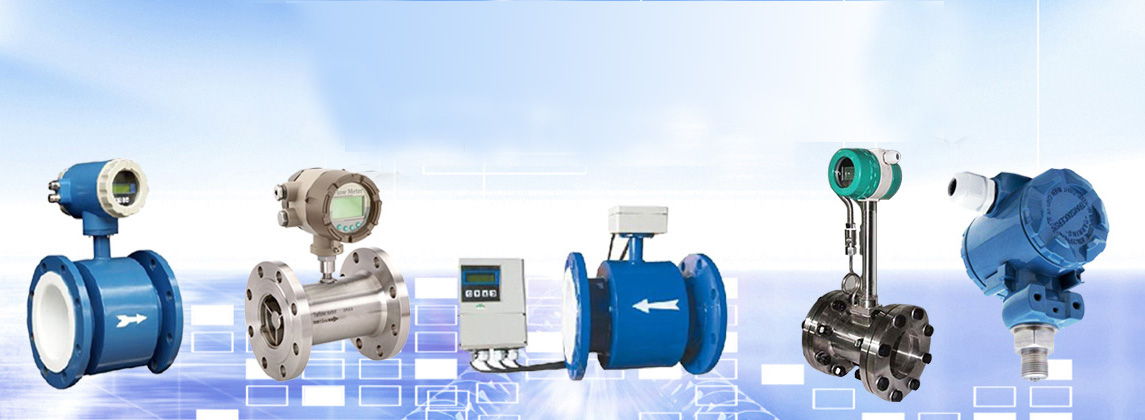
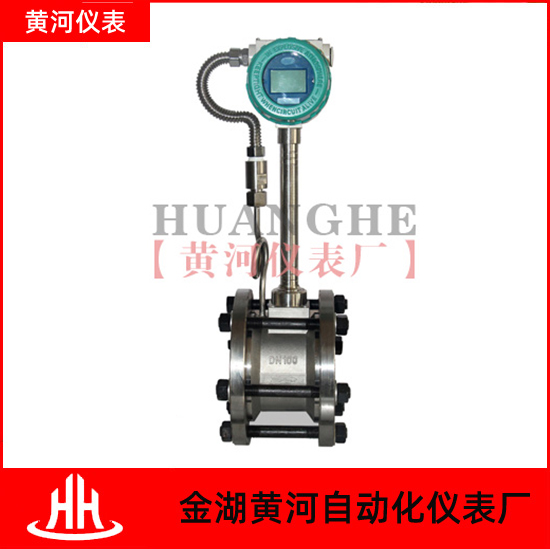
- Flow sensor: Comprising of a flow tube and electrodes, the flow sensor generates an electromagnetic field across the fluid to measure the flow rate.
- Transmitter: It converts the electrical signals from the flow sensor into a readable format and provides additional functionalities such as analog and digital outputs.
2. Common English Codes:
2.1 Initialization:
To ensure accurate measurement, the electromagnetic flowmeter requires initialization, which involves setting up communication protocols and configuring various parameters. Here is an example of the initialization code in English:
void setup() {
initializeCommunication(); // Setup communication
setFlowUnit(LITRES_PER_SECOND); // Set the flow unit
}
2.2 Flow Measurement:
The primary function of an electromagnetic flowmeter is to measure the flow rate. The following code illustrates how to measure the flow rate in English:
float measureFlowRate() {
float flowRate = 0.0;
if (checkSensorStatus() && checkFluidConductivity()) {
flowRate = calculateFlowRate();
}
return flowRate;
}
2.3 Calibration:
Calibration is a crucial step to ensure accurate flow measurement. It involves adjusting the flowmeter's settings to match known flow rates. Here is an example of calibration code in English:
void calibrateFlowmeter() {
float knownFlowRate = getKnownFlowRate(); // Retrieve known flow rate
float measuredFlowRate = measureFlowRate(); // Measure flow rate
float calibrationFactor = knownFlowRate / measuredFlowRate; // Calculate calibration factor
applyCalibrationFactor(calibrationFactor); // Apply calibration factor to the flowmeter
}
2.4 Data Logging:
Data logging enables the recording and analysis of flow data over time. This information proves valuable for process optimization and troubleshooting purposes. The following code demonstrates data logging in English:
void logFlowData() {
float flowRate = measureFlowRate(); // Measure flow rate
float temperature = measureTemperature(); // Measure temperature
float pressure = measurePressure(); // Measure pressure
writeDataToFile(flowRate, temperature, pressure); // Store flow data in a file
}
3. Best Practices:
To ensure efficient and reliable performance, consider the following best practices when working with electromagnetic flowmeter codes:
3.1 Error Handling:
Implement robust error handling mechanisms to handle potential issues such as sensor failures or communication errors. This ensures the flowmeter can handle unexpected situations without compromising accuracy.
3.2 Modularity:
Break down the code into smaller, manageable functions for better organization and ease of maintenance. This allows for code reuse and simplifies troubleshooting processes.
3.3 Documentation:
Thoroughly document the code to facilitate future modifications and troubleshooting. Include comments explaining the purpose and functionality of each section or function.
Conclusion:
Understanding the common English codes associated with electromagnetic flowmeters is essential for their effective implementation and usage. The examples provided above cover the basic functionalities, but it is important to refer to the specific documentation and user manuals for the precise codes required for individual flowmeter models.